The post Wisdom Teeth Removal appeared first on Pender Dental Care.
]]>Complications of Impacted Wisdom Teeth
- Higher risk for tooth decay: Wisdom teeth are more difficult to clean because of the position in which they erupt. Food and bacteria stay trapped between the gum and the impacted tooth, no matter how thoroughly you brush.
- Overcrowding and damage to surrounding teeth: If your wisdom tooth applies force against the second molar as it erupts, damage can be done to the second molar, which increases the risk of infection. The pressure from your wisdom tooth can also cause overcrowding of the other teeth or cause an abnormal bite to form, which will require orthodontic treatment to fix. For some, the jaw is simply too small to accommodate all the teeth.
- Cyst developing in the jawbone: There is a sac in the jawbone in which the wisdom tooth develops. The sac can fill with fluid, forming a cyst that can cause damage to the jawbone, teeth, and nerves. In some serious cases, a benign tumor may even form. At this point, removal of tissue and bone might be necessary.
- Higher risk of developing gum disease: Since thorough dental hygiene is more difficult with wisdom teeth, there’s an increased risk of developing pericoronitis, a painful and inflammatory gum condition.
Before the Procedure
It’s understandable to feel anxious about extracting your wisdom teeth, but it’s best for them to be removed in order to avoid headaches and consistent pain in the back of your mouth. It is best to have your wisdom teeth removed as soon as they begin to develop. When you’re young, the wisdom teeth roots aren’t yet fully developed. This makes the procedure a bit easier on your surgeon and helps with a quicker recovery time. Before making a decision to remove wisdom teeth, your dentist will first assess your mouth and take X-rays.
After the Procedure
Your surgeon will provide you with post-operative instructions. You will be advised to eat soft foods for a few days and clean out the extraction site after each meal. A syringe will be provided for you to fill with water and flush out any food particles stuck at the extraction site. This is the best way to prevent alveolar osteitis, also known as dry socket. When a tooth is removed from a healthy socket, blood clots form and the healing process begins. Dry sockets happen when the healing process is hindered in some way. If you notice any extreme pain or sensitivity after your procedure, you may have developed a dry socket. This condition requires immediate treatment by your dentist.
The post Wisdom Teeth Removal appeared first on Pender Dental Care.
]]>The post Sinus Surgery appeared first on Pender Dental Care.
]]>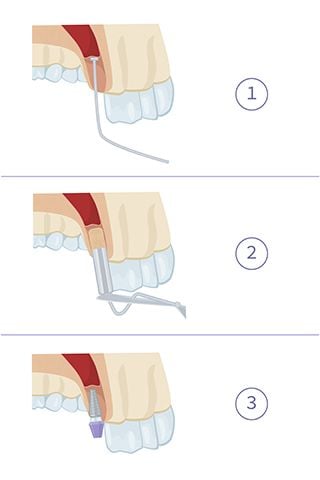
Sinus surgery, also known as a sinus lift, is a bone grafting procedure that will augment and strengthen your jaw bone to create a better support for implants. The procedure lifts your sinus floor, creating space for bone growth and an implant. This procedure is commonly recommended if implants are needed in the back, upper jaw as that bone is naturally thinner than the rest of our jawbones.
You might be a candidate for sinus surgery if:
- You are missing more than one tooth in the back of your jaw
- Your tooth has been missing for a long time, leading to bone degradation
- Your tooth was lost due to periodontal disease, leading to bone loss
The surgery is typically performed under local anesthesia, just like a routine filling. Once the area is numbed, an incision is made in the gum to expose the bone. A small opening is made in the bone, to uncover the sinus membrane. The sinus membrane is pushed up and bone grafting material is inserted. The gum is then stitched back up. Typically, healing takes six to seven months before an implant is placed, but in some cases, the implant can be placed during the sinus lift procedure, eliminating the need for a second surgery.
Swelling and minor discomfort last for a few days after surgery, similar to having wisdom teeth removed. Other side effects include sinus inflammation, in which case a decongestant is recommended. Antibiotics are prescribed to prevent infection and in some cases, a non-steroidal anti-inflammatory medication is prescribed to minimize swelling and discomfort.
The post Sinus Surgery appeared first on Pender Dental Care.
]]>The post Sedation Dentistry appeared first on Pender Dental Care.
]]>There are a variety of reasons sedation may be requested or required for a dental procedure:
- Dental anxiety
- Fear of visiting the dentist
- Overly sensitive gag reflex
- Phobia of needles
- Severe teeth sensitivity
- Claustrophobia
- Decreased sensitivity to local anesthesia
- Difficulty controlling body movements
- Physical, cognitive, or behavioral special needs
Types of Sedation
Your level of anxiety, length of your procedure, health history, and personal preferences will all be considered by your dentist before the procedure. Common types of sedation include:
- Inhalation sedation: Nitrous oxide sedation or, “laughing gas,” is one of the most common types of sedation. Though it doesn’t relieve pain very well, it’s a great anti-anxiety option. A mask is placed over your nose, which pumps out a mixture of oxygen and nitrous oxide. Inhaled sedation makes you feel light-headed and relaxed, but the effects wear off quickly after the procedure.
- Oral sedation: Your dentist will give you a sedative medication in the form of a pill or liquid, about an hour before your procedure begins. The most common medications include triazolam, diazepam, zaleplon, lorazepam, or midazolam oral syrup. Liquid sedation is more often used in pediatric dentistry. Even though oral sedation makes you feel very groggy and sleepy, you’ll still be able to communicate with your dentist. Once the procedure is finished, you will need someone to drive you home since oral sedation affects memory and motor skills.
- Intravenous (IV) sedation: Out the different types of sedation offered in a dental office setting, IV sedation is the deepest a patient can go while still maintaining some consciousness. The medication is administered directly into your bloodstream through an IV line, much like if you were in the hospital getting fluids. Throughout the procedure, your heart rate, blood pressure, and oxygen levels will be monitored closely, so that the dosage of medication can be adjusted as necessary. Most patients fall asleep with IV sedation and rarely remember treatment when they wake up. This is the best option for those undergoing a lengthy dental procedure or those who suffer from severe dental anxiety. The effects of IV sedation may take several hours to completely wear off, so you will need someone to drive you to and from your appointment.
The post Sedation Dentistry appeared first on Pender Dental Care.
]]>The post Oral Surgery Procedures appeared first on Pender Dental Care.
]]>While more complicated surgeries require hospital time, the majority of oral surgeries are performed in a dental office setting under local anesthesia with minimal recovery time.
Oral surgery may be recommended to treat pain or infection, or restore facial functioning.
Examples include:
- Tooth extractions
Tooth extractions might be necessary in the case of severe tooth decay, gum disease, or to prevent overcrowding. Typically performed under local or general anesthesia, tooth extractions are the most common type of oral surgery and have relatively little recovery time.
- Dental Implants
Made to blend into your natural smile, dental implants are a common and preferred way to replace missing teeth. The implant is fused directly to the jawbone, giving the durability and appearance of a real tooth.
- Oral diagnosis and biopsies
Some oral diseases require a biopsy to confirm diagnosis. Biopsies are recommended when an abnormal lesion is found in the oral cavity, and involves removing cells from the lesion to be examined under a microscope.
- Corrective jaw surgery
Corrective jaw surgery corrects skeletal conditions of the jaw and face for functional and aesthetic purposes. Corrective jaw surgery can treat TMJ, misaligned bites like overbites and underbites, as well protruding or underdeveloped chins.
- Snoring and sleep apnea
Snoring and sleep apnea occur when a patient’s breathing is interrupted during sleep often due to excess tissue in the airways. Surgery is used to remove the excess soft tissue to restore proper breathing, so patients can return to a restful night’s sleep.
- Facial trauma and reconstructive surgery
Facial trauma happens after any blunt force to the face, including anything from car accidents to sports injuries that result in broken facial bones or damage to soft-tissue. Treatment restores facial structure and functions.
- Cleft lip/palate
Cleft lips and palates are congenital conditions defined by an opening in the upper lip or palate. Often affecting feedings, swallowing, and speech, surgery is performed to heal these openings.
If you are a candidate for oral surgery, your healthcare provider will walk you through the procedure, give you options for anesthesia, and answer any questions you may have. Recovery time will range depending on your procedure and any preexisting conditions you may have.
The post Oral Surgery Procedures appeared first on Pender Dental Care.
]]>The post Oral Diagnosis and Biopsies appeared first on Pender Dental Care.
]]>Common Oral Diseases
There are a variety of oral diseases that the pathologist will test for, including:
- Oral cancer: Appearing as a growth or sore in the mouth that does not go away over time, oral cancer can affect the lips, tongue, cheeks, floor of the mouth, hard palate, soft palate, sinuses, and throat. Early detection is key for treating this disease, though most patients are diagnosed in the advanced stages.
- Leukoplakia: Thickened, white patches on your gums, inside your cheeks, the bottom of your mouth, or your tongue.
- Lichen planus: A chronic inflammatory condition that affects the mucous membranes inside your mouth. Lichen planus appears as white, lacy patches, open sores, or red, swollen tissues. The lesions are accompanied by burning or other discomfort. This condition needs to be closely monitored so that it does not turn into oral cancer.
- Mucous membrane pemphigoid: An uncommon autoimmune disease that may cause oral lesions of the gums, mucous membranes, tongue, soft palate, or hard palate.
- Pregnancy tumors: Raised nodules that may or may not be painful.
Other diseases, such as diabetes, Crohn’s disease, and heart disease, may produce abnormalities inside the mouth.
Types of Oral Biopsies
Depending on the abnormality in your mouth, there are six different ways to perform an oral biopsy:
- Aspiration: A needle and syringe removes a sample from within the lesion.
- Brush: Firm pressure is applied on a circular brush while it is rotated to pick up cellular material. The sample is then transferred to a glass slide for observation under a microscope.
- Excisional: If a lesion appears benign during an oral exam, and is smaller than one centimeter, this type of biopsy removes the entirety of the lesion.
- Incisonal: For larger lesions, a sample is taken from more than one area.
- Punch: Using a circular blade attached to a pencil-like handle, the instrument is rotated through the lesion. The biopsy yields a circular bit of tissue that is then sent to the lab for further testing.
The post Oral Diagnosis and Biopsies appeared first on Pender Dental Care.
]]>The post Oral Cancer Screenings and Surgery appeared first on Pender Dental Care.
]]>Risks and Signs of Oral Cancer
Some people have a higher risk of developing oral cancer, sometimes at no fault of their own. Causes of oral cancer include:
- Tobacco use of any kind, such as cigarettes, cigars, pipes, chewing tobacco, snuff, dip and vaping
- Heavy alcohol consumption
- Family history of cancer
- Human papillomavirus (HPV)
- Significant sun exposure
- Poor diet
There are certain symptoms and signs of oral cancer to look for. Some of these include:
- Red or white spots or sores anywhere in the oral cavity
- A sore that bleeds easily or does not heal
- A lump, thickening, or rough spot
- Pain, tenderness, or numbness anywhere in the mouth or on the lips
- Difficulty chewing, swallowing, speaking, or moving the jaw or tongue
Surgical Treatment of Oral Cancer
If you’ve recently been diagnosed with oral cancer, there are several treatment options available to you. These include:
- Glossectomy: The removal of partial or larger portions of the tongue
- Mandibulectomy: The partial removal of the jawbone when a tumor is too close or attached to the bone
- Maxillectomy: The removal of the bones that make up the hard palate or nasal sinuses
- Reconstructive surgery: The transplantation of tissue from one area in your body, such as your forearm, thigh, or abdomen, to the affected area of your mouth
- Dental implants: An additional procedure that can be done during certain mouth surgeries, so that a separate surgery is not required
- Lymph node removal: Oral cancers often spread to the lymph nodes in the neck and can be removed during oral surgery. The purpose of this removal is to reduce the chance of the cancer returning in the future. Lymph node removal is commonly recommended for cancers that infect the tongue, floor of the mouth, or lower gums.
Talk to your dentist today about scheduling routine oral cancer screenings. You will have the best chance for a full recovery if oral cancer is detected early.
The post Oral Cancer Screenings and Surgery appeared first on Pender Dental Care.
]]>The post Facial Trauma and Reconstructive Surgery appeared first on Pender Dental Care.
]]>These injuries can affect vital functions, like breathing through the nose or blinking, and are associated with mishaps like car accidents and sports injuries, and typically demand emergency care.
Facial trauma can look like:
- Chipped, Loosened or knocked out teeth
If treated immediately, a loosened or knocked out tooth can successfully be re-implanted into the jaw. When that isn’t possible, a dental implant is a great option to replace a missing tooth.
- Broken jaw, eye socket, or other facial bones
The treatment of broken facial bones is unique, and requires special techniques to stabilize the bones so facial appearance, structure, and function can be restored. Sometimes, this involves wiring the upper and lower jaws together so that bones heal in alignment with each other. In other cases, plates and screws are used to secure bones in position. In all cases, function and aesthetics are priority.
- Injury to the soft tissue and skin of the face, including salivary glands or facial nerves
There are many small soft tissues in the face, some of them include salivary glands that help us digest food to facial nerves that help us smile. These procedures vary, but typically involve closing wounds with stitches or sutures, and applying medication to prevent infection.
Prevention is the best treatment for facial trauma. Wearing seatbelts and using protective gear like helmets and mouthguards can greatly reduce your risk of facial trauma.
If you ever find yourself in emergency care for facial trauma, make sure to ask for a consultation with an oral and maxillofacial surgeon so you receive the best possible outcome.
The post Facial Trauma and Reconstructive Surgery appeared first on Pender Dental Care.
]]>The post Extractions appeared first on Pender Dental Care.
]]>- Simple extraction: Local anesthesia is used, which is a numbing agent either applied or injected into the extraction site. Simple extractions are performed on teeth that are visible to the naked eye. An elevator and forceps will only be needed to remove the tooth.
- Surgical extraction: Under general anesthesia, where you are completely unconscious during the procedure, surgical extractions are performed when the tooth cannot be easily accessed. Either the tooth has not fully erupted or it has broken under the gum line. A small incision in your gum will need to be made in order for the surgeon to gain access to the tooth. Gum tissue will be pushed back and bone surrounding the problem tooth will be removed, or part of the tooth itself will be cut. This process makes it easier for your surgeon to remove your tooth with an elevator and forceps.
Tooth extractions are most commonly discussed in reference to removing wisdom teeth. However, a tooth extraction can be required for a number of other reasons, such as tooth decay, gum disease, overcrowded teeth, impacted teeth, broken teeth, and baby teeth that have not fallen out naturally.
Why You Might Need a Tooth Extraction
- Tooth decay – this is the most common reason for removing a tooth. Patients who have avoided visiting their dentist for years may face this reality. Without the bi-yearly checkups and professional cleanings, your dentist will never be able to diagnose early onset tooth decay before it’s too late. As time goes on, your tooth will experience these stages:
- Tooth decay affects tooth enamel.
- Once worn through tooth enamel, the inner part of the tooth begins to deteriorate.
- As the decay eats a hole through the center of the tooth, the tooth suffers even more damage.
- When bacteria reach the center of the tooth, the ending result is a root canal infection.
The longer you go without treatment, the more severe the infection and damage will be. If your dentist has come to a point where your tooth cannot be saved, an extraction, followed by a bridge or implant, will be strongly recommended. Cavities detected early can be resolved with a simple filling.
- Gum disease: Just as destructive as tooth decay in its advanced stages, gum disease attacks the gum tissue, ligaments, and bone that support the teeth. As these structures deteriorate, the teeth become looser until finally they fall out on their own or require an extraction, followed by gum disease and tooth replacement treatment.
- Overcrowded teeth: As part of a patient’s orthodontic treatment plan, a tooth extraction may be necessary if there is overcrowding in the mouth. The extraction creates more space for the remaining teeth to be pulled and shifted into proper alignment.
- Impacted teeth: Impaction occurs when a tooth has not fully erupted beyond the gum line, or only partially erupts. Overcrowding, a tooth that is twisted or tilted at abnormal angles, or a tooth that comes in displaced, are all reasons why a tooth may become impacted. Wisdom teeth are often impacted because the jaw is not large enough to accommodate these teeth.
- Broken teeth: A tooth may need to be extracted when a tooth breaks at or near the gum line, making it nearly impossible to perform a tooth restoration.
- Baby teeth: Sometimes, baby teeth can come in at an abnormal position, causing the permanent tooth underneath it to not erupt normally. Removing this baby tooth will allow the permanent tooth to erupt without issue.
The post Extractions appeared first on Pender Dental Care.
]]>The post Corrective Jaw Surgery appeared first on Pender Dental Care.
]]>If you have problems with your jaw that cannot be corrected with orthodontic treatment alone, corrective jaw surgery may be considered. Your braces will be on before surgery and during recovery, until you are completely healed and proper alignment has occurred. To make sure you are getting the most out of your treatment, your orthodontist will work with your surgeon.
Corrective jaw surgery should only be performed when the jaw has completed its growth. This occurs around 14 to 16 years for females and 17 to 21 years for males.
What does corrective jaw surgery improve?
There are many benefits to corrective jaw surgery, including:
- Improved chewing and biting
- Correction of swallowing problems
- Improved speech
- Reduced wear and tear on teeth
- Correction of an open bite, where the molars don’t touch the front teeth
- Repaired facial imbalance, such as small chins, underbites, overbites, and crossbites
- Improved ability for lips to close completely and comfortably
- Relief of pain associated with temporomandibular joint (TMJ) disorder or other jaw problems
- Repaired facial injuries or birth defects
- Relief for obstructive sleep apnea
Where can jaw surgery be performed?
There are three sections a surgeon can work on:
- Upper jaw
- Receded or protruding upper jaw
- Crossbite
- Too much or too little of your teeth showing
- Open bite
- Facial growth of the middle of the face
- Lower jaw
- Receded lower jaw
- Protruding lower jaw
- Chin: Surgery of the chin can correct patients with a small chin. Small chins often accompany a severely receded lower jaw, which can cause many of the problems listed above. Typically, the altering of the jaw as well as restructure of the chin can be done in the same surgery.
The post Corrective Jaw Surgery appeared first on Pender Dental Care.
]]>The post Cleft Lip and Palate appeared first on Pender Dental Care.
]]>Problems Associated with Cleft Lip and Palate
Cleft lip and palate repair does a lot more for your child than cosmetically correcting their appearance. Surgery helps restore proper function to your child’s lips and mouth. Cleft lips and palates are also associated with health and developmental problems such as hearing loss, dental issues, and speech issues. With cleft lip and palate surgery, your child will be able to eat, drink, breathe, hear, and speak normally as they develop.
Cleft Lip Surgery
Cleft lip surgery is recommended between three and six months of age. Once your baby is under general anesthesia for the procedure, the surgeon will begin by making incisions on either side of the cleft lip to create flaps of skin. These two pieces are drawn together to close the gap of the birth defect and then sewn together with dissolvable stitches. Cleft lip surgery typically takes less than two hours. Your baby will spend the night in the hospital to make sure that they have tolerated surgery well.
Cleft Palate Surgery
Cleft palate surgery is usually performed when your child is around 12 months old. General anesthesia is used again for this type of procedure. Once your child has fallen asleep, the surgeon will make incisions on either side of the palate, loosening layers of tissue so that they can be stretched over the separation. When the tissue is placed where it needs to be, dissolvable stitches will be used to hold everything in place. Cleft palate surgery takes between two and three hours, though longer depending on the type and severity of the cleft palate. A second surgery in the future may be required to fully repair a cleft palate.
Your child will fully recover from cleft lip or palate repair in about four weeks. Due to the complexity of cleft palate surgery, recovery may take a little longer.
The post Cleft Lip and Palate appeared first on Pender Dental Care.
]]>