The post Ultrasonic Cleanings appeared first on Pender Dental Care.
]]>Benefits of Using Ultrasonic Cleaning
- Comfort: With no metal scraping and abrasive sounds, ultrasonic cleaning makes for a much more comfortable experience over manual metal scalers. For some mouth shapes and sizes, manual scaling can also be a little uncomfortable. Ultrasonic cleaners reduce that discomfort significantly.
- Efficiency: More hardened tartar is removed at once compared to other scaling methods.
- Effectiveness: Ultrasonic cleanings are highly effective for removing plaque underneath the gum line, which can prevent and treat gum disease
- Improved appearance: Ultrasonic cleaning help reduce the appearance of tooth stains, giving you a whiter and brighter smile.
Ultrasonic Cleaning Procedure
When your oral hygiene routine of brushing and flossing at home is no longer enough to remove hardened deposits from your teeth, or if you’re suffering from gum disease, it’s time to see your periodontist for an ultrasonic cleaning.
- For hardened deposits: If you have a substantial buildup of tartar or plaque, ultrasonic cleaning can remove these substances quickly and with less discomfort than traditional methods. Manual scrapers take a considerable amount of time to rid the teeth of all hardened deposits.
- For gum disease: For mild stage gum disease, periodontal pockets develop below the surface of your gum line. These pockets fill with bacteria, tartar, and plaque, and attack your gum and bone tissue. Periodontal pockets cannot be reached with a toothbrush or floss, so they require a deep dental cleaning to remove the debris, before it can lead to tooth loss and other complications.
The post Ultrasonic Cleanings appeared first on Pender Dental Care.
]]>The post Periodontal Therapy Procedures appeared first on Pender Dental Care.
]]>Depending on the stage of progression, gum disease causes red, swollen, tender, receding, and bleeding gums, periodontal pockets, halitosis, pus-filled abscesses, gapping, and changes in bite. When prevention is no longer an option, especially in the later stages when damage is permanent, nonsurgical and surgical treatments are available to reduce the effects of gum disease.
Gum Disease Treatments
Treatment is always going to be dependent on the stage of gum disease. There are many options available, both nonsurgical and surgical.
Nonsurgical Treatments
- Antibiotics: Oral antibiotics, either in pill or topical form, may be enough to fight off infection.
- Scaling and root planing: Similar to a routine dental cleaning, SRP cleans much deeper. Local anesthesia will need to be used to numb your gums while your dental hygienist cleans away bacteria underneath your gum line and smooths the tooth roots to prevent further plaque and bacteria from accumulating beneath your gum line.
Surgical Treatments
- Flap surgery: Your periodontist will make an incision along your gum line, temporarily shifting the gum tissues away from your teeth. With the tooth roots more easily seen, your periodontist is able to clean them more thoroughly. If bone loss has occurred, your periodontist may re-contour your bone ridge to make it easier for your daily oral hygiene routine.
- Dental bone grafts: If a significant amount of bone loss has occurred, bone-grafting material will be placed in areas where there is a lack of bone tissue. Dental bone grafts serve as a “scaffolding” to encourage new bone growth.
- Gum grafts: Gum disease causes gum recession, so a gum graft might be necessary to restore lost tissue around your teeth. Tissue is obtained from the roof of your mouth or a tissue bank and is sutured into the areas lacking gum tissue.
- Guided tissue regeneration: A biocompatible membrane will be placed between your existing bone and tooth, keeping unwanted tissue from growing in the area and allowing bone to grow instead.
- Platelet-rich plasma (PRP): This procedure helps regenerate bone or gum tissue. Platelet-rich plasma is taken from a sample of your blood, is then placed in a centrifuge to separate red and white blood cells, and finally the plasma is placed in areas lacking bone or tissue to encourage growth.
The post Periodontal Therapy Procedures appeared first on Pender Dental Care.
]]>The post Periodontal Flap Surgery appeared first on Pender Dental Care.
]]>Periodontal flap surgery primarily treats severe gum disease; however, there are other issues that it can help with as well. A patient must have at least one of these conditions to be considered for a periodontal flap surgery:
- Necrotizing gingivitis: This condition causes the death of gum tissue, which leads to deep craters forming on your gums.
- Inflammation: Swollen, red, or bleeding gums that persist around periodontal pockets.
- Irregular bone contours: Treatment of jawbone defects.
- Periodontal pockets: Pockets that fill with bacteria, tartar, and plaque, and attack your gum and bone tissue.
- Loose teeth: Advanced gum disease causes your gums to pull away from your teeth, which decreases the support that holds your teeth in place.
- Halitosis: Treatment of chronic bad breath.
- Receding gums: Gum disease eats away at your gum tissue and exposes more of your tooth root.
- Response to non-surgical procedures: If your dentist has exhausted all non-surgical procedure options to treat your oral problem, periodontal flap surgery may then be considered.
Periodontal Flap Procedure
First, a local anesthetic will be used on your gums to numb the area. After the local anesthesia has taken effect, your periodontist will begin by making an incision into your gums. This allows for the gums to be pushed away from the teeth, allowing easier access to the tooth roots, ligaments, and surrounding bone tissue.
Your periodontist will then make an interdental incision, which is a small cut between your teeth, and begin removing inflamed gum tissue. Then, they will thoroughly clean the tooth roots of any remaining debris through root planing and scaling. If periodontist finds significant bone loss, they might recommend bone grafts to encourage bone tissue to regenerate.
Once all inflamed tissue has been removed, your periodontist will stitch all incisions with dissolvable or non-resorbable sutures. They may also use fibrin glue as sutures can sometimes also cause the gums to inflame. A follow-up appointment will also be scheduled to ensure that the healing process is occurring normally.
The post Periodontal Flap Surgery appeared first on Pender Dental Care.
]]>The post Periodontal Disease appeared first on Pender Dental Care.
]]>It’s important to recognize the specific symptoms of each stage of gum disease and its cause. Prevention is the best option, though the earlier it is detected, the more likely it can be reversed.
Stages of Gum Disease
- Gingivitis: The first stage of gum disease presents itself with red, swollen, and bleeding gums. It is the only stage of gum disease that can be reversed, as there hasn’t been any damage done to bone yet. Brushing and flossing your teeth at least twice a day and visiting your dentist for checkups and professional cleanings every six months is an infallible way to prevent gingivitis.
- Mild periodontitis: If gingivitis is left untreated, it will progress into mild periodontitis. At this stage, your gums will begin to pull away from your teeth and some bone loss will occur. Periodontal pockets will also develop, where it’s easier for plaque, tartar, and bacteria to become trapped. A toothbrush and floss will not be able to reach inside these pockets. Though reversing this stage is no longer possible, it can still be maintained by a periodontist, who will offer proper oral hygiene techniques and may even recommend deep cleaning procedures.
- Moderate periodontitis: As periodontitis progresses, bacteria will continue to damage the ligaments, joints, and soft tissues surrounding your tooth, root, and socket. At this stage, you will experience sore and tender gums and what damage has been done is now permanent.
- Severe periodontitis: The most severe stage of gum disease presents with receding and bleeding gums, halitosis, pus-filled abscesses, gapping, and changes in bite. If your periodontitis has progressed this far, you will experience loose teeth as the infection keeps eating away at bone. Some teeth may have even already fallen out.
Causes of Gum Disease
While the main cause of gum disease is poor oral hygiene, other risk factors exist, such as:
- Smoking: Weakens your body’s ability to fight infection, making it more difficult for gum tissue to repair itself.
- Autoimmune diseases: People who suffer from autoimmune diseases, like diabetes, cancer, and HIV, have a weakened immune system and so their bodies have a harder time fighting off infections.
- Genetics: If your family is more prone to dental disease, you can ultimately face dental disease as well.
- Hormonal changes: The risk for gum disease increases in women when hormones are affected by pregnancy, birth control pills, puberty, menopause, or menstruation.
- Chronic inflammation: Health conditions that cause inflammation in your body, such as arthritis, COVID-19, or cardiovascular disease, are linked to gum disease.
- Certain medications: Medications that reduce your production of saliva or cause abnormal growth of gum tissue, such as Dilantin, Procardia, and Adalat, can cause gum disease.
The post Periodontal Disease appeared first on Pender Dental Care.
]]>The post Oral Systemic Connection appeared first on Pender Dental Care.
]]>The Oral to Systemic Connection
Your mouth has vital defense mechanisms and poor oral hygiene will weaken these defenses, leading to problems like cavities, gum disease, dental abscesses, or more. What many people don’t realize is that these oral conditions can stir up other diseases in the body, such as:
- Pneumonia: An infection that inflames the air sacs in one or both lungs, filling them with fluid. Periodontal (gum) disease and dental caries can trigger pneumonia.
- Endocarditis: A rare condition that inflames your heart lining, muscles, and valves. Minor gum injury or poor oral hygiene that results in infection can trigger this disease.
- Cardiovascular disease: Affects your heart and blood vessels, which can lead to arrhythmia, heart failure, deep vein thrombosis (DVT), and more. Periodontal disease is a common trigger of heart problems.
- Pregnancy and birth complications: Periodontal disease in expecting mothers can cause premature birth and low birth weight.
The Systemic to Oral Connection
On the other side of the connection, you may have an incredible oral hygiene routine, but are afflicted by a certain disease that makes it a struggle to maintain. Unfortunately, if it’s a chronic disease, the situation is more so out of your hands and all you can really do is your best to maintain a healthy mouth. Some systemic diseases that affect your oral health include:
- Diabetes: A disease where the pancreas cannot properly regulate glucose levels. Over time, if a diabetic cannot maintain proper levels, they have a higher risk of developing tooth decay, cavities, or gum disease.
- HIV/AIDS: AIDS is a chronic immune system disease caused by HIV. HIV damages the immune systems by interfering with the body’s natural ability to fight infection and disease. With the body’s defenses weakened, this disease can cause chronic dry mouth, periodontal disease, sores, blisters, warts, thrush, or dental caries.
- Osteoporosis: A disease that causes the bones in your body to become weak and brittle that a minor fall, stress, or cough may cause a fracture. The same goes for your teeth, as this condition can cause loose teeth, receding gums, or ill-fitting dentures.
- Alzheimer’s disease: A progressive neurological disorder that causes the brain to shrink and brain cells to die. Typically occurring in elderly patients, this disease can lead to periodontal disease or loose teeth.
There are other diseases linked to oral health, such as eating disorders, rheumatoid arthritis, certain cancers, and immune system disorders. Certain medications, including decongestants, antihistamines, painkillers, diuretics, and antidepressants, can also cause oral health problems because they have the potential of reducing saliva production.
Protecting Your Oral Health
It’s important to protect your oral health, whether you are afflicted with a disease or not. The simplest way you can do this is by practicing good oral hygiene:
- Brush and floss your teeth at least two times a day, every day.
- Use a fluoridated toothpaste.
- Incorporate mouthwash into your routine to help remove remaining debris.
- Replace your toothbrush every three to four months.
- Schedule regular visits to your dentist for checkups and professional cleanings.
- Eat more vegetables and limit sugary and acidic food and drinks.
- Avoid smoking, chewing, or vaping any type of tobacco product.
Protecting your oral health is a long-term investment in also protecting your systemic health. Be sure to contact your dentist with any oral health problems that come up, or if you’ve been diagnosed with a disease that will affect your oral health.
The post Oral Systemic Connection appeared first on Pender Dental Care.
]]>The post Non-Surgical Periodontal Procedures appeared first on Pender Dental Care.
]]>Treatment Options for Periodontal Disease
Scaling and Root Planing
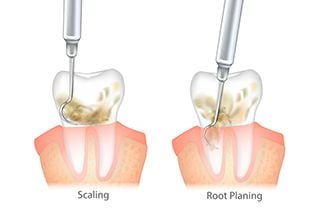
This procedure is a much deeper cleaning than the routine cleanings you would get twice a year. First, scaling is done to remove plaque and other residue from the surface of your teeth, to clear the way for a deeper clean. After applying a local anesthetic, your periodontist will perform root planing by cleaning out the plaque from below your gum line. Together, these methods have been effective in treating periodontal disease and allowing the gums and surrounding bone to heal.
Antibiotics/Antimicrobials
A simple oral prescription of antibiotics or antimicrobials may help treat periodontal disease. Sometimes they are combined with another non-surgical periodontal treatment to maximize treatment.
Medication under the Gum Line
After a dental scaling and root planing, your periodontist may recommend placing medication under your gum line to help kill any bacteria left behind after the procedure. This should only be done in combination with scaling and root planing, never on its own.
Bite Adjustment
If you notice that you have loose teeth, they will need to be protected from the biting and chewing forces that impact them, especially if you grind or clench your teeth as well. Small amounts of tooth enamel can be reshaped to change the way the upper and lower make contact, your teeth can be joined together with a metal or plastic brace to help support each other, or you can use a nightguard to cushion the pressure on your teeth when you grind or clench them.
Oral Hygiene
The best way to avoid periodontal disease is preventive care. Removing the debris and residue that cling to your teeth and gums will play a significant role in maintaining good oral health. A daily routine of brushing, flossing, and other oral hygiene products at home will ensure that periodontal disease is kept at bay.
The post Non-Surgical Periodontal Procedures appeared first on Pender Dental Care.
]]>The post Loose Teeth and Bite Problems appeared first on Pender Dental Care.
]]>Loose Teeth Causes and Treatments
There are a variety of dental conditions that can cause loose adult teeth, including:
- Periodontal disease: Due to poor dental hygiene, plaque and tartar invade the crevices between your teeth and under your gum line. This causes a bacterial disease that makes the gums pull away from your teeth and weakens tooth support. This leads to loose teeth and the inability for your jawbone to withstand biting forces, which causes significant bone loss. When periodontal disease is severe enough, loose teeth may fall out.
- Bruxism: Also known as teeth clenching or grinding, bruxism causes too much biting force, leading to the stretching of periodontal ligaments that support the teeth and bone. Over time with this constant pressure, it will cause jaw pain, worn down teeth, bone loss, and ultimately, loose teeth.
- Trauma: Physical oral trauma, such as through high contact sports, can also cause loose teeth.
For loose teeth caused by periodontal disease, the best thing you can do is visit your dentist for a professional cleaning. Once all the accumulated plaque is washed away from those hard to reach areas and underneath your gums, loose teeth will often reattach themselves to the gums. Loose teeth due to bruxism can be treated with a custom fitting mouthguard or dental splints. Dental splints can also be used for oral trauma resulting in loose teeth.
Bite Problem Causes and Treatments
Bite problems can appear in different forms, such as overbites, underbites, crossbites, open bites, and crowded teeth, and affect children, teens, or adults. Bite problems are typically caused by:
- Crooked teeth: A patient can experience crooked teeth by a childhood history of thumb sucking or tongue thrusting, or simply through genetics. Crooked teeth cause a misaligned bite.
- Genetic disposition: Genetics play a major role in what size jaw you are dealt, which can affect your bite. Typically, when a patient is born with jaw problems, they are more likely to also develop bite problems.
Early treatment of jawbone problems can significantly benefit young patients, allowing developing bones and teeth to grow properly and prevent more serious problems in the future. Orthodontic treatment options, such as traditional metal braces or clear aligners, are commonly used to correct bite problems and crooked teeth at the same time. Another option for correcting bite problems is using a custom made mouthguard or dental splint.
Treatment Benefits
Treating your loose teeth or bite problems offers a wide range of advantages, including:
- Improved tooth mobility: Deep cleanings by your dentist reduces inflammation and gum detachment, and promoting tissue regeneration and pain relief.
- Proper distribution of biting forces: Aligned teeth create a more stable distribution of biting forces, removing unnatural pressure on your teeth.
- Protection of tooth structure: The consistent use of a mouthguard prevents bruxism from wearing down and weakening your teeth. It can also prevent serious physical oral trauma when playing high contact sports.
- Good oral health encourages good overall health: Visiting your dentist on a regular basis is crucial for addressing any onset of oral problems before they become more severe. Taking good care of your oral health benefits your overall health by decreasing the risk of developing systemic diseases, as the two are connected.
The post Loose Teeth and Bite Problems appeared first on Pender Dental Care.
]]>The post Gum Grafting appeared first on Pender Dental Care.
]]>Types of Gum Grafts
Depending on your mouth’s unique needs, your periodontist will choose one of the following types of gum grafts:
- Connective Tissue: The most common type of graft to treat root exposure is a connective tissue graft. In the roof of your mouth, a flap of skin is cut and pulled back. Tissue underneath this flap, known as subepithelial connective tissue, is then removed and stitched to surround the exposed tooth root. Once this is finished, the flap in the roof of your mouth is also stitched down.
- Free Gingival: A free gingival graft is similar to the connective-tissue graft because it also uses tissue from the roof of the mouth. However, instead of creating a flap, tissue is directly removed from the roof of the mouth. This tissue is then attached to the area of the gums that is being treated. This graft is most often used for people who have thin gums.
- Pedicle: For a pedicle graft, tissue is taken from the gums near the tooth needing repair. The flap, known as a pedicle, is partially cut away so that one edge stays attached. The gum is stretched over to cover the exposed root and is then sewn in place. This graft can only be performed on people who have enough gum tissue near the affected tooth.
- Tissue Bank: There are some patients and periodontists who prefer to use graft material from a tissue bank instead of the patient’s own mouth. Tissue-stimulating proteins are added to encourage the body’s natural ability to grow bone and tissue.
The post Gum Grafting appeared first on Pender Dental Care.
]]>The post Cosmetic Gum Surgery appeared first on Pender Dental Care.
]]>Types of Gum Contouring
Gum Reduction Surgery

If you have a “gummy smile,” or too much gum tissue covering your teeth, your teeth might appear smaller than you’d like. With the use of a laser or scalpel for soft tissue, your periodontist can remove excess gum tissue to achieve a more proportional smile.
Gum Grafting Surgery
For some people, their gums are either too thin or are receding. Gum recession occurs when the gum tissue pulls away from your teeth, which is typical of an ongoing infection like periodontitis. This pulling away from the teeth not only looks unsightly, but it also creates other oral issues, such as decreased stability and support of the teeth, and exposure of the tooth root. By using tissue elsewhere in your mouth or from a tissue bank, the grafts encourage the recreation of gum tissue. Your teeth will once again have the support they need to remain healthy, as well as the aesthetics you desire.
The post Cosmetic Gum Surgery appeared first on Pender Dental Care.
]]>